AI Infrastructure
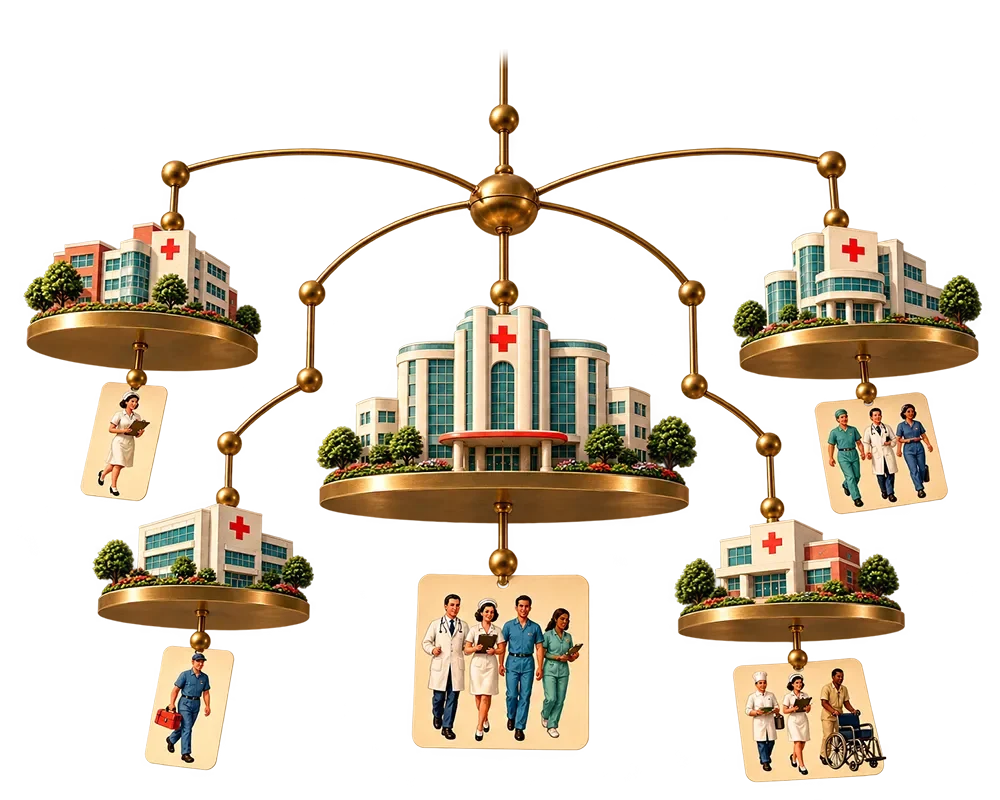
Phenom's Ontologies hold the requirements for every role around a patient's bed, CNA to RN to physician, dietary to environmental services, as one shared model instead of a separate system for each department.
A hospital network doesn't hire one way. A CNA needs an answer in seconds. A physician search takes months and a completely different playbook. Phenom's Applied AI runs both, and everything between, so no unit runs short and no patient waits on care.
Across hospital networks, the same week repeats. Applications land after the last recruiter logs off, and sit unread. A rad tech's phone screen waits on a calendar, and the applicant stops answering. A career fair fills a folder with sign-in sheets nobody types up until the season ends. The shortage gets the blame, but the process loses candidates first.
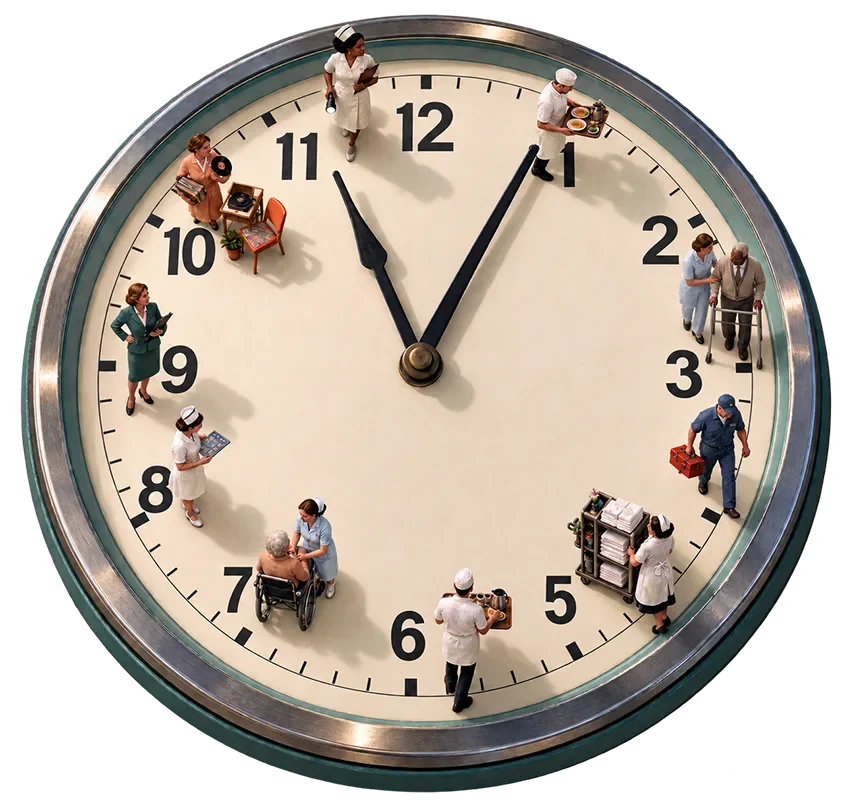
Rad techs and RNs apply at eleven at night, dietary crews and parking valets screen between shifts, and students meet recruiters at career fairs the system never logs. The clock never stops. Phenom Applied AI speeds up time with applications answered on arrival, screens scored on the candidate's clock, events captured at the table, and career paths laid out before resignations land.
Critical care takes a team that’s never done being built.
Around every bed stands a nurse, an aide, a tech, and the people who feed the unit, clean it, and park the cars outside it. The CNA who never got a callback belonged on that team. So did the RN ready to lead it, and the student who would have joined it next spring. When one is missing, the rest cover, and the team and patients pay the price.
A CNA application arrives at the end of a double when nobody is there to answer. Not anymore. A Candidate Concierge agent sorts unit and shift, a short situational check runs inside the application, and the screening call gets booked before the applicant closes the browser window. The Voice Screening Agent takes that call at any hour, and a ranked list is waiting at shift change.
The route to charge nurse runs through preceptor time, unit-flow training and a leader who notices, and today each lives somewhere different. The Workforce Planning Agent models charge demand unit by unit, an assessment confirms which RNs are close, and the AI Career Coach Agent lays out each path with mentors. When a notice lands, the CNO reads ready and qualified names.
For the hardest to fill clinical roles, waiting on applicants is a plan to stay short staffed. So recruiters hit the road to nursing schools, job blitzes, and offer days. Using event automation you can run check-ins and screenings from a phone at the table, and every handshake lands in a live pipeline, not a drawer. Students met in spring stay close through boards, so when an opening posts, the call is obvious.

Matching across every role around a bed, integrating with the system the hospital already owns, and answering the three questions a security review always asks, all run through the same platform.
Phenom's Ontologies hold the requirements for every role around a patient's bed, CNA to RN to physician, dietary to environmental services, as one shared model instead of a separate system for each department.
Phenom reads from and writes back to the systems already in place, so no one enters the same candidate twice, and the team that owns the system keeps ownership even as a separate team audits it.
Phenom is SOC 2 Type II certified. A hospital security review usually asks three things: where candidate data sits, who touched a record, and whether the hospital's own identity provider controls the door. All three are answerable per record.
Meet with our domain experts to discuss how you can enhance hospital hiring, development, and retention.
© 2026 Phenom People, Inc. All Rights Reserved.


