

Building a Robust Talent Pipeline: Strategies for Long-Term Success

In today's fast-paced world, staying ahead of the curve in talent acquisition is crucial. And if you're a recruiter, sourcer, or part of a hiring team, you know the struggle of finding the right candidates at the right time. That's where a robust talent pipeline comes in handy.
Let's dive into how to build a talent pipeline, what talent pipelines are, and how they can revolutionize your recruitment strategy.
In This Article
What is a Talent Pipeline?
A talent pipeline is a pool of qualified job candidates you've pre-screened and engaged with who may be ready to step into roles quickly as they become available at your organization. Think of it as your secret weapon in the war for talent. Instead of scrambling to fill positions reactively, a talent pipeline allows you to be proactive, ensuring you always have top-notch candidates at your fingertips.
Why is this so important? In a world where the right talent can make or break a company, having a steady stream of qualified candidates can give you a serious competitive edge. It's not just about filling roles; it's about filling them with the best possible people. And with a current global talent shortage, having a quality candidate pipeline at the ready is imperative to stay competitive.
Related Case Study: Integrations, Automations, and Analytics: How Life Time Drives Thriving Talent Pipelines
Key Components of an Effective Talent Pipeline
Building a talent pipeline isn't just about collecting resumes. It's a strategic process that involves several key components:
Identifying critical roles and skills: This involves analyzing your organization’s current capabilities and future needs to ensure alignment with long-term business goals. By conducting a skills gap analysis and staying informed about industry trends, for example, you can proactively prepare for future talent demands.
Sourcing potential candidates: This requires a multi-faceted approach that leverages various channels to attract diverse and qualified talent. You can utilize your career site, job boards, social media, employee referrals, and university recruiting to cast a wide net.
Engaging and nurturing prospects: This is essential for building interest and maintaining relationships with potential candidates, alumni, and employees over time. By creating a compelling employer brand, personalizing communication, and providing valuable content on your website, you can keep candidates excited about opportunities within your organization while fostering a sense of community.
Related reading: The Sky’s the Limit: Inside Southwest’s Employee Referral Program
Benefits of an Effective Talent Pipeline
1. Better candidates
With a talent pipeline, you're not just picking from whoever happens to apply when you post a job. You're choosing from a curated pool of candidates you've already vetted and engaged with. This often leads to higher quality hires.
2. Engaging passive candidates
Many of the best candidates aren't actively job hunting. A talent pipeline allows you to build relationships with these passive candidates over time — what is often referred to as keeping them “warm.”
3. You're less brand dependent
While a strong employer brand is extremely important, a solid talent pipeline means you're not solely reliant on your brand to attract candidates.
4. Improved diversity
By proactively sourcing from diverse talent pools, you can build a more inclusive workforce.
5. Better candidate experience
Candidates in your pipeline have already engaged with your company, leading to a smoother, more positive hiring experience.
6. Keep companies prepared
Maintaining a talent pipeline and engaging potential candidates is crucial not only during hiring periods but also when organizations are not actively recruiting. By nurturing these relationships over time, businesses can ensure they are well-prepared to grow and hire effectively when opportunities arise.
Related: Check out our 2024 State of Candidate Experience Report for best practices for attracting, engaging, and converting quality candidates.
Common Challenges and How to Overcome Them
Building a talent pipeline strategy isn't without its challenges. Here are a few common hurdles and how to tackle them:
Addressing skill gaps: This involves regularly assessing your talent pipeline and proactively developing the skills your organization will need in the future.
Maintaining candidate engagement: Keep your pipeline warm with a consistent communication strategy that includes sharing company updates, industry insights, and personalized content through newsletters, social media, and in-person or virtual events.
Balancing short-term needs with long-term goals: While it's tempting to focus on immediate openings, don't neglect long-term strategic roles. It may be helpful to categorize roles based on their immediate and future importance, allowing you to allocate resources and attention appropriately.
Related: Check out this blog on demystifying skill ontologies to help you create a roadmap.
Strategies for Developing Your Talent Pipeline
Leverage Internal Talent
Leveraging internal talent is critical for building a robust talent pipeline, as it allows organizations to maximize the skills and potential of their existing workforce and cultivate a culture of growth and readiness for future challenges.
Through succession planning, teams can identify and prepare high-potential employees to fill key roles within the organization as they become available. To implement effective succession planning, conduct regular talent assessments to identify individuals with leadership potential and create personalized development plans that include mentorship opportunities, job shadowing, and leadership training programs.
Through Employee Development Programs, companies can enhance the skills and competencies of their workforce. Workshops, online courses, and certification programs can be tailored to the specific needs of your employees and aligned with future organizational goals.
Cross-training opportunities allow employees to gain experience in different roles within the organization, enhancing their skill sets while also increasing overall workforce flexibility. Establishing a structured cross-training program where employees can rotate through various departments or functions for a set period fosters collaboration and understanding among teams, as well as building employee skills.
Related reading: What Every Company Needs to Know About Workforce Intelligence
Expanding External Recruitment Channels
Build relationships with universities, leverage social media and professional networks, and implement employee referral programs in order to cast a wide net for your next best candidate. Remember, your next great hire could come from anywhere.
When you’re building relationships with universities and colleges, for example, you’re developing strong partnerships that can provide a steady stream of early talent for your pipeline. The best way to establish a presence on campus is through career fairs, sponsorship of student events, or offering internship programs.
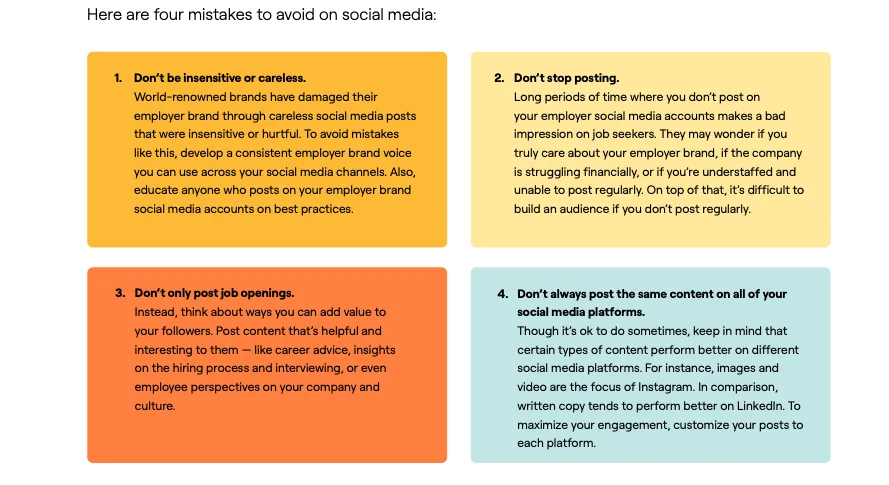
Utilizing social media and professional networks is another must for reaching both active and passive job seekers. Develop a strong employer brand presence on platforms like LinkedIn, X, Facebook, Instagram, and TikTok by sharing company culture content, employee testimonials, and job openings.
Employee referral programs can be one of the most effective ways to source high-quality candidates for your talent pipeline. Design a program that incentivizes your current employees to recommend qualified individuals from their professional networks and ensure the referral process is simple and transparent.
Embracing Diversity and Inclusion
Embracing diversity and inclusion is not just a moral imperative; it's a business necessity that can lead to increased innovation, better decision-making, and improved organizational performance.
When you expand your candidate pool, you increase diversity within your talent pipeline. A few ways to do this are to move beyond traditional recruitment channels and seek out underrepresented groups, attend specialized job fairs, and leverage diversity-focused job boards.
You can reduce bias in recruiting by implementing a structured interview process with standardized questions and evaluation criteria to ensure all candidates are assessed fairly and consistently. You can utilize AI-powered tools to parse resumes and applications, focusing on skills and qualifications rather than demographic information that could introduce bias. Here are a few more ways to avoid bias and improve hiring outcomes during the hiring process.
An inclusive workplace culture is crucial for attracting and retaining diverse talent. Create an environment where all employees feel valued and respected by implementing diversity and inclusion training programs, establishing employee resource groups, and ensuring diverse representation in leadership positions. Regularly assess your organization's culture through employee surveys and focus groups, and be prepared to make changes based on the feedback received.
Related reading: How to Build a Lasting Culture of Belonging
Measuring Talent Pipeline Success
Like any strategy, your talent pipeline needs to be measured and refined. Track key performance indicators (KPIs) like time-to-fill, quality of hire, and pipeline conversion rates. Regularly analyze these metrics and be prepared to adjust your strategies based on the insights you gain.
The Future of Talent Pipelines
The landscape of talent acquisition is evolving rapidly, influenced by advancements in technology and shifts in workforce expectations. AI and automation are already playing an increasingly important role in talent pipeline management, streamlining processes, predicting future talent needs, and helping to reduce bias in hiring.
Organizations must also be proactive in preparing for emerging skills and roles that will shape the future workforce. This involves regularly assessing industry trends and technological advancements to identify the competencies required for new positions, such as data analytics, artificial intelligence, and cybersecurity.
Throughout all this, adaptability is key. Organizations that embrace change and continuously refine their talent strategies will not only attract top talent but also sustain a competitive edge in an ever-evolving marketplace.
Sustaining a Competitive Edge Through Strategic Talent Management
In the end, a robust talent pipeline is about more than just filling roles. It's about strategically positioning your organization for long-term success. By consistently nurturing relationships with top talent, you're not just preparing for future hiring needs – you're building a reputation as an employer of choice.
To learn more about staying competitive and keeping your talent pipelines full, download our Talent CRM Migration Kit or see our technology in action right here!

Maggie is a writer at Phenom, bringing you information on all things talent experience. In addition to writing, she enjoys traveling, painting, cooking, and spending time with her family and friends.


Get the latest talent experience insights delivered to your inbox.
Sign up to the Phenom email list for weekly updates!


