


Ethical AI Development: Balancing Innovation with Responsibility
Ethical considerations around artificial intelligence (AI) and human resources are rising in popularity as businesses determine the best way to embrace new technologies.
Questions and concerns are being sparked at the intersection of intelligence and decision-making that impacts human lives. How organizations approach these questions and concerns will not only define the technology's effectiveness in augmenting workflows for talent professionals but also set the precedence for how future business leaders approach ethics within the talent lifecycle.
53% of HR leaders are concerned about potential bias and discrimination caused by AI. However, HR leaders aren’t the only ones grappling with AI's ethical implications — other world leaders in the space, like Sam Altman and John Hope Bryant, are creating a council on AI ethics to help identify, advise, and address issues related to automation and its potential impact on underserved communities.
HR professionals can find common ground with Altman and Bryant here, especially in how this emerging technology can either reduce or introduce bias in the hiring and employee development processes.
Concerns around prejudice and lack of transparency also arise when explaining how AI comes to specific recommendations, causing HR teams to slow down their adoption of the technology. Only 38% of HR leaders surveyed by Gartner are actively piloting and planning to implement Generative AI (GenAI) tools in the next 12 months.
While many organizations are pausing to look for responsible ways to implement AI, there are practical steps leaders can take today when approaching ethical AI development and implementation for their talent acquisition and management teams.
In This Article
The Ethical Imperative of AI and HR
The ultimate purpose of ethics in HR technology is to ensure that the systems, automation, and filters your organization established within your HR tech stack operate as intended, are transparent, and minimize bias. At the heart of healthy AI ethics is the goal to support human development and decision-making with data while maintaining human control.
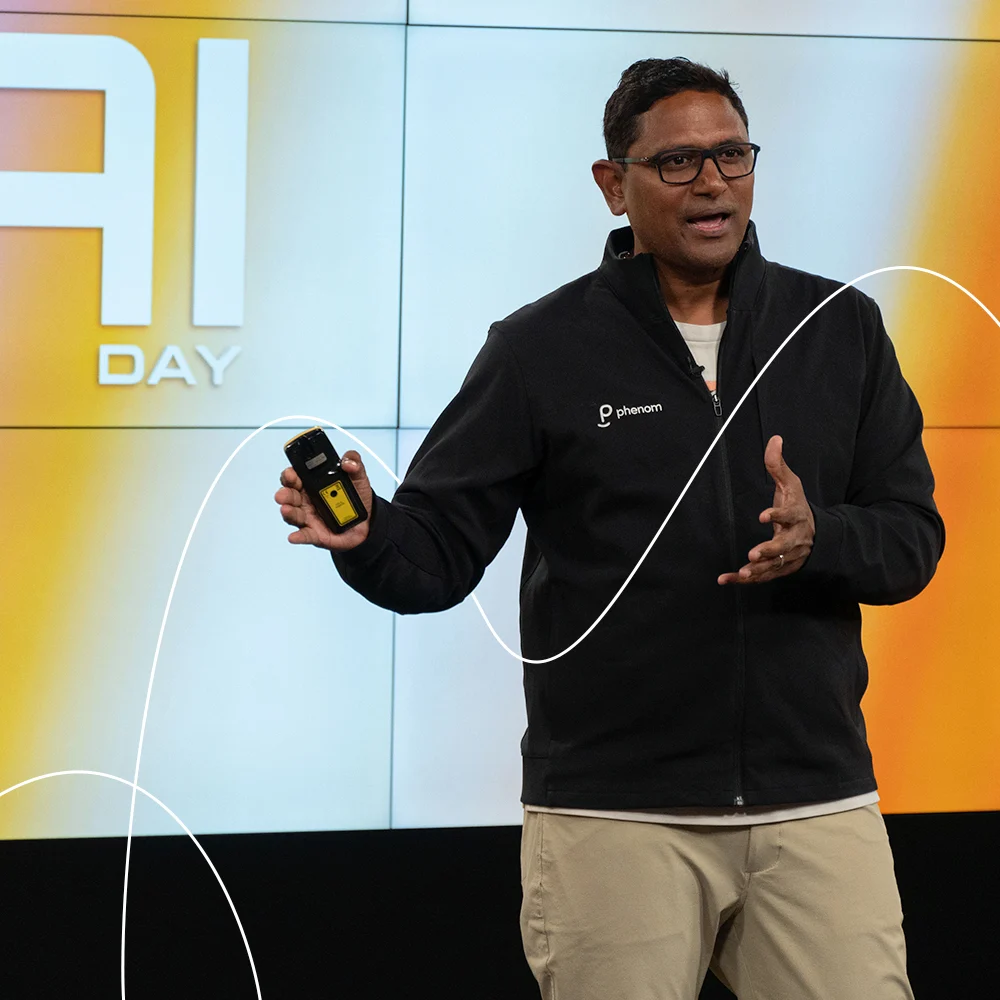
Mahe Bayireddi, CEO of Phenom, perfectly encapsulates this philosophy: "The keystone of trust in our AI architecture is that AI doesn't make decisions. Only humans do. AI provides the data to help humans make more informed decisions. This is why human-in-the-loop will continue to be a critical part of our AI technology at Phenom."
Read More: More Legislation Around AI in Hiring is Coming — How to Welcome It
By prioritizing ethical AI development, organizations can ensure that the technology enhances human capabilities rather than undermining them. Human influence and oversight are not just significant; they are central to setting the framework for tools like Phenom Fit Score and others that serve up best-fit candidates using criteria you set with parameters focused on work experience, location, or skills. This balanced approach supports better decision-making and fosters trust and engagement among candidates and employees.
Establishing a Human-Centric AI Ethics and Governance Framework
Agreeing to a human-centric approach to implement and leverage AI is the first step towards building a robust ethical position and governance framework for your organization. When building on the concept that humans make decisions, not AI, teams can begin establishing a governance framework that directly benefits human resources.
To approach this successfully, talent leaders should provide clear guidelines and structures that define the parameters for leveraging AI in specific use cases. Whether in screening, sourcing, or succession planning, team alignment on desired outcomes creates opportunities to develop guidelines and structures that support your company's ethical stance when using AI.
However, ethical AI development and implementation goes beyond internal alignment. It is crucial to partner with HR tech vendors who share your values and have ethical considerations built into their product development process. This ensures that the technology you are leveraging is ethically sound and supports your organization's compliance needs.
At Phenom, we've developed a set of core principles that guide our approach to ethical AI in HR:
Help a Billion People: We aim to empower organizations to harness AI responsibly to find, engage, hire, grow, and retain the best talent at scale.
Avoiding Bias: We employ a multi-layered compliance and safety approach to reduce bias and improve fairness in our AI models.
Human-in-the-Loop: Our AI is designed to support, not replace, human decision-making in hiring processes.
Adaptive, Inclusive, Explainable: Phenom strives to create AI models that adapt to various jobs, include rather than exclude candidates, and explain their predictions.
Privacy and Security: We prioritize data protection and comply with applicable regulations to ensure the security of all information used in our AI systems.
These principles not only ground Phenom's positioning towards ethically engaging AI but can also serve as a foundation for HR practitioners looking to establish an ethical approach that addresses critical questions about bias, privacy, and explainability in AI-driven HR processes.
To learn more about Phenom’s approach to developing guidelines for an ethical approach to AI, click here.
Implementing a Governance Framework
With a solid ethical foundation, the next step is establishing a governance structure. This involves designing an Ethics Advisory Board with authority over AI deployment decisions. The board should comprise individuals with diverse expertise, including Chief Compliance Officers, CHROs, HRIT teams, TA and TM leaders, and legal experts. By aligning with cross-functional leaders, HR departments can ensure consistency with overall business ethics.
This multidisciplinary team can be mobilized to conduct thorough risk assessments, develop effective mitigation strategies, and address potential ethical, legal, and social risks associated with AI implementation.
Additionally, organizations should develop a data and AI ethical risk framework tailored to their specific industry to effectively manage the concerns posed by AI. This framework helps address unique challenges and mitigate reputational, regulatory, and legal risks associated with AI technologies.
Fostering a culture of ethical AI within your organization is essential. By educating employees across all levels about potential risks and moral considerations, companies can create a collective responsibility for maintaining ethical standards.
To set up an effective Ethical Advisory Board, organizations should:
Define a unified mission for the board
Recruit diverse members with varied expertise
Specify the board's scope of responsibilities
Engage the board in critical decisions early on
These strategies help avoid common pitfalls and establish a solid ethical foundation for AI operations within HR departments.
Implementing a governance framework is all about calling upon your organization's AI champions and advocates. These individuals advocate ethical AI practices and inspire others to follow suit. By leveraging their expertise and enthusiasm, you can create a culture that embraces responsible AI use in HR.
What Role Should HR Leaders Play in Developing an Ethical AI Practice?
As artificial intelligence becomes increasingly integrated into HR processes, HR leaders must advocate for ethical AI and embody these principles in their actions. The rapid advancement of AI technologies brings opportunities and challenges, requiring HR professionals to navigate complex ethical landscapes while setting an example for their teams and the broader organization.
To meet this challenge head-on and honestly care for those they lead, HR leaders should focus on these critical areas to walk the talk:
Forge an AI Compliance Alliance: Partner with your Chief Compliance Officer to establish an AI compliance framework, ensuring alignment with ethical standards and legal requirements.
Champion AI Ethics Education: Drive comprehensive training programs to educate employees on ethical AI use, legal requirements, and potential risks, fostering a culture of responsible AI adoption
Illuminate the AI Black Box: Implement transparency policies for AI algorithms, maintaining trust and accountability in HR decision-making processes.
Tame the Shadow AI Beast: Mitigate risks by establishing clear protocols for evaluating, approving, and monitoring AI applications in HR. This challenge is a significant pain point for many organizations as AI becomes more accessible, leading to potential transparency and control issues. Overcome this by reaching out to industry peers, learning from their experiences, and bringing those best practices back to your organization.
Cultivate an AI-Savvy Workforce: Empower employees by creating open communication channels for AI-related concerns, reinforcing the organization's commitment to ethical practices.
By focusing on these areas and leading by example, HR leaders can ensure responsible AI implementation, foster trust, and drive positive outcomes for all stakeholders.
Best Practices for Ethical AI Development
To maintain a healthy ethical stance towards AI, organizations should adopt the following best practices:
Transparency and Accountability: Ensure transparency in AI processes and establish clear lines of accountability for AI system performance and outcomes.
Continuous Monitoring and Auditing: Regularly audit AI systems to detect and mitigate biases and ensure compliance with ethical standards and regulations.
Data Privacy and Security: Stay focused on data governance and security standards to protect individual rights and ensure compliance with data protection laws.
AI Is Not One Size Fits All
As AI continues to reshape the talent acquisition and management landscape, HR leaders must become stewards of integrity and champions of transparency. Prioritizing open communication, continuous monitoring, and data privacy provide a roadmap for integrating AI responsibly. Organizations can enhance their talent acquisition processes by aligning with ethical AI principles that avoid bias and support human decision-making while maintaining employee trust and engagement.
For more insights into Phenom's approach to ethical AI, visit Phenom AI Ethics.
Works Cited


Get the latest talent experience insights delivered to your inbox.
Sign up to the Phenom email list for weekly updates!


